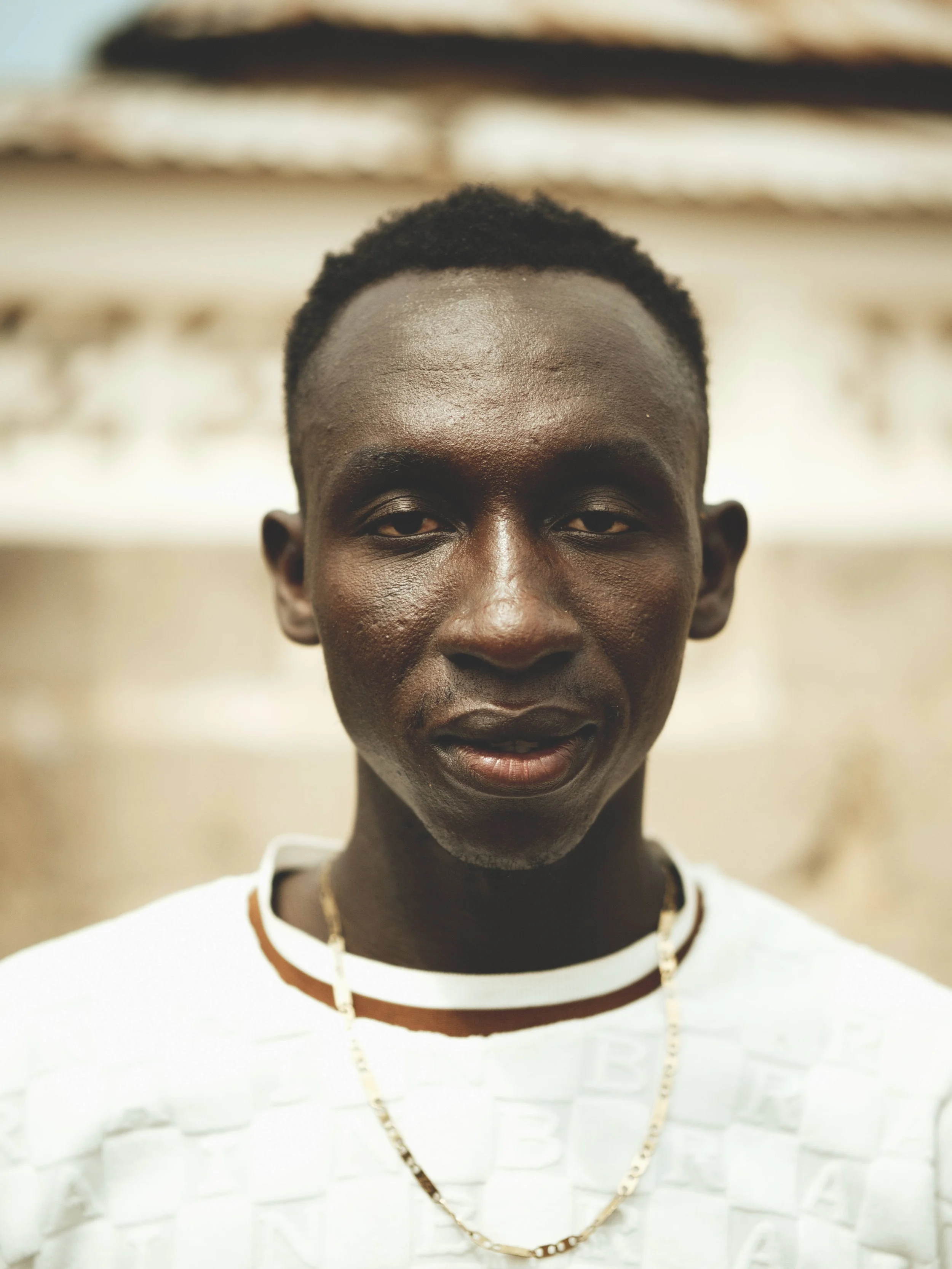
Kebba Tambajang is a young Gambian singer from Bansang who sees music as a way to teach, encourage, and bring people together.
BANSANG, The Gambia. Kebba Tambajang began his artistic life on the dance floor. At dance competitions, he heard the music of Gambian artists like Nyancho, and something stuck. Dancing led to singing, and singing led to a conviction that his voice could do something for his community.
"I want to be a voice for the voiceless," he says.
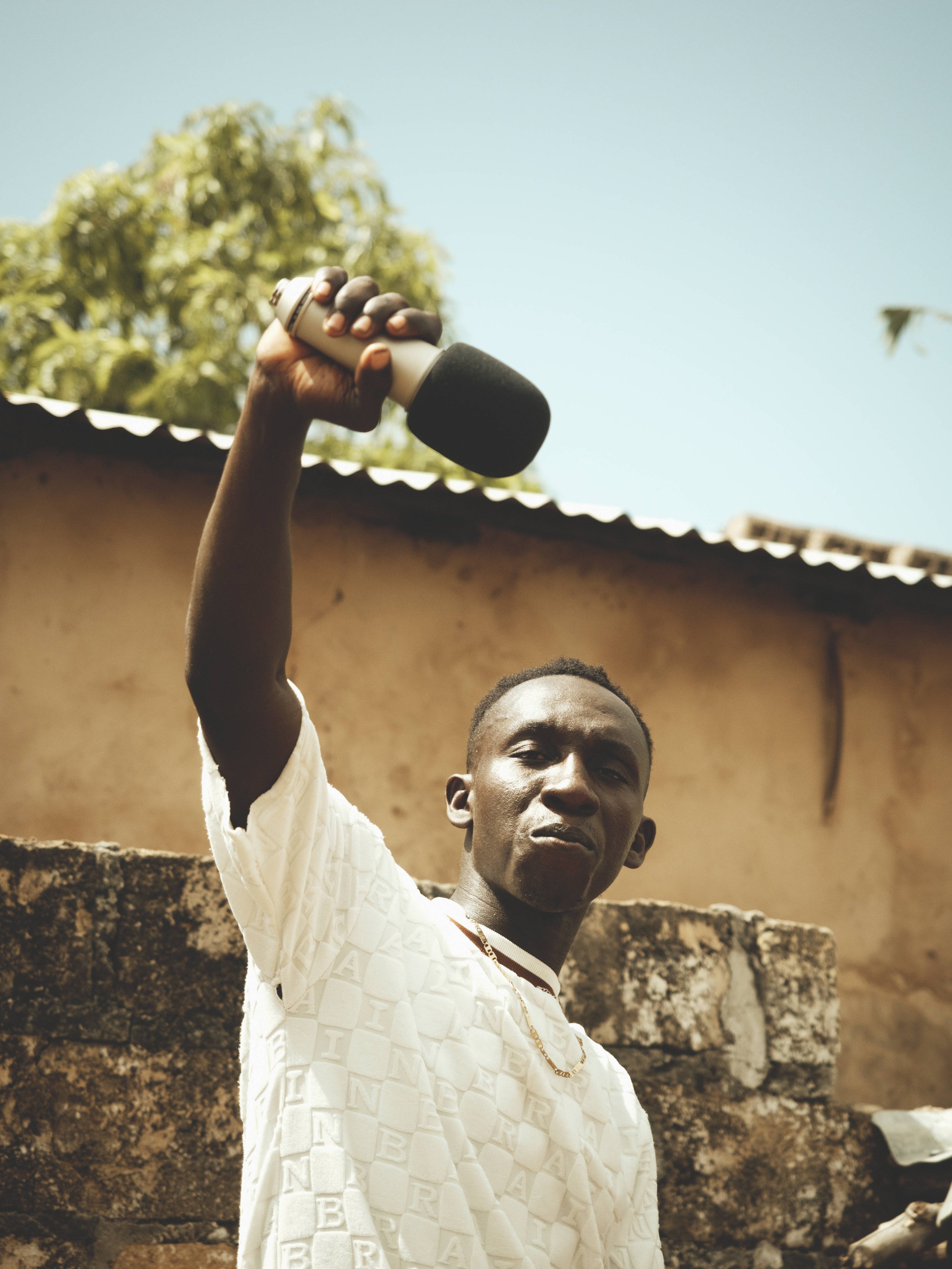
When we spoke on October 17, 2026, he described his music as educational and encouraging. His songs aim to give listeners hope, share useful knowledge, and push people toward doing good for the community. His audience spans generations, and he says elders have encouraged him, praising the maturity of his messages.
Confronting hate speech and short tempers
The problems he wants to address are close to home. Kebba names tribalism and hate speech as major concerns and is working on a song called "No Hate Speech." He also wants to speak to the difficulty many people have managing their anger.
In his view, tribal divisions, along with personal and political interests, can feed conflict and shorten tempers. His answer is to ask people to identify first as Gambians, as members of one country, and to put their energy into national development.
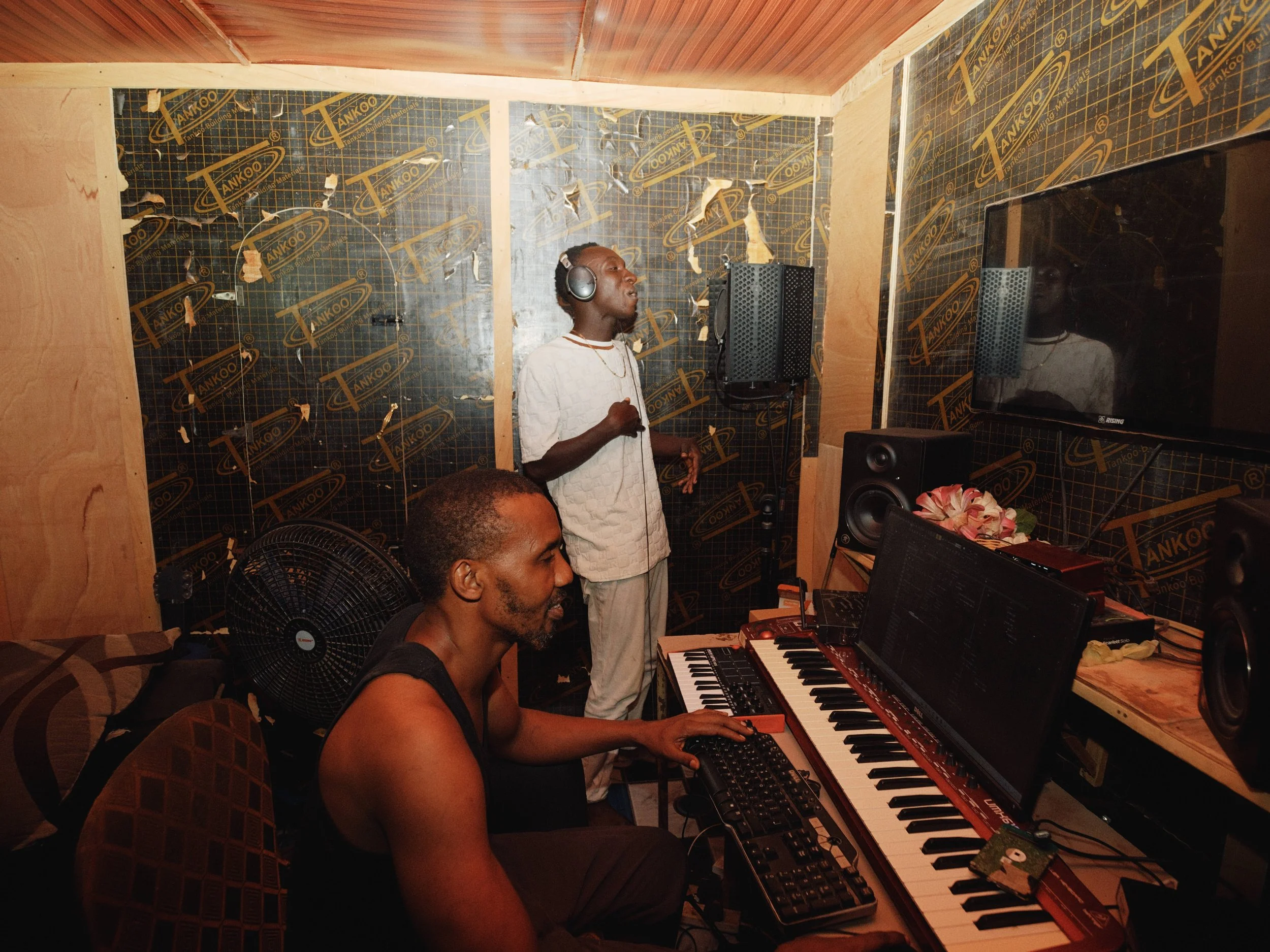
It is a message that shows up in how he works, too. Kebba is Mandinka, and his collaborator, Amadou Jallow, is Fula. Together they write, record, and share music aimed at all Gambians.
Songs drawn from lived experience
His material comes from his own life. A recent song deals with the death of his parent and the grief and family difficulties that followed. Through that hardship, he says, he has stayed sober, avoided drugs, and kept his focus on his health and his music.



The financial reality of making music
Keeping up with recording has not been easy. Kebba once had to balance caring for his wife and children against finding work and saving money to record. Now the obstacles are producing videos and covering related costs. Amadou helps with the work, but funding remains a challenge. The two say they are doing their best to keep going.
Performance opportunities exist locally, if modestly. Artists can rent halls at local schools, play youth-oriented events, or perform at gatherings on the street. Some organize their own shows to earn income.
A message to young people considering the "back way"

Many young Gambians take the dangerous "back way" to Europe, hoping for a better future and a way to support their parents. Kebba understands the motivation. He doesn't claim he can stop anyone, but he has advice for those who stay: commit to one pursuit, develop your skills, and give it time. He plans to build his own future in The Gambia through music.
Looking beyond the border
Kebba believes recognition abroad will come from consistent work and stronger music. He also sees international collaboration as valuable, a way to exchange cultures and ideas, broaden experience, and gain exposure. He and Amadou are reaching out to artists and producers through social media, sharing their music and exploring possible performances overseas.
There are early signs of reach. According to Amadou, listeners have tuned in from Nigeria, the United States, and Libya, and Gambians in Italy help circulate the music. In some weeks, he said, seven or eight listeners from certain overseas locations appeared on Kebba's audio platform. Those are small numbers, but they show that a song made in Bansang can travel.